Property Verification in Pakistan: Fard, Registry and Fraud Prevention Guide
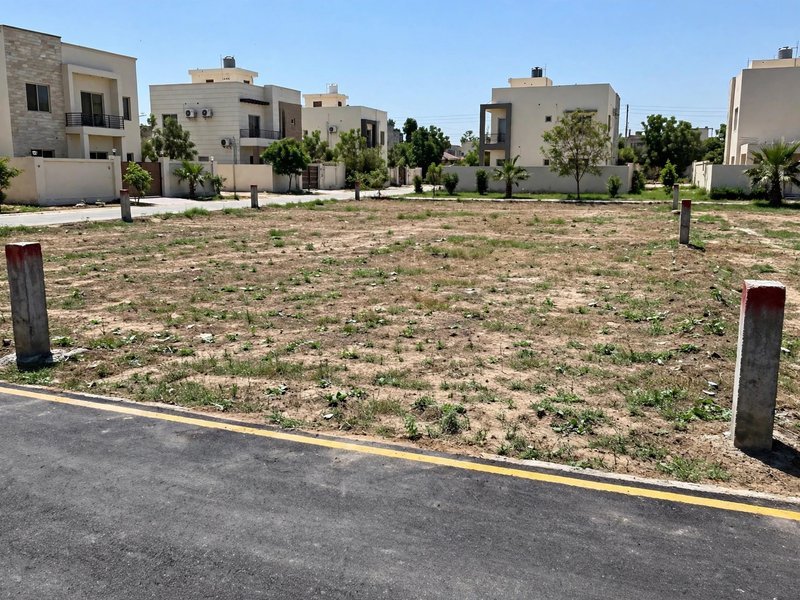
Every year, thousands of Pakistani families lose savings to property fraud: fake owners, mortgaged plots sold as clear, disputed land and forged documents. Almost all of it is preventable. Verification is not a formality; it is the foundation of a safe purchase. This guide explains exactly how to verify any property in Pakistan before you pay a single rupee of token money.
Document 1: The Fard (Ownership Record)
The fard is the official record of who owns a property, issued by the Punjab Land Records Authority (PLRA) for most Punjab land, or by the relevant development authority or society for planned areas. Always obtain a fresh fard yourself; never rely on a photocopy provided by the seller. Check that the owner name and parentage match the seller CNIC exactly, that the khasra or plot number matches the property being sold, and that the area (marla, kanal, square yards) matches the claimed size. In DHA, Bahria Town and cooperative societies, the equivalent document is the allotment or transfer letter verified directly at the authority office.
Document 2: The Registry (Sale Deed)
The registry is the registered sale deed proving how the current owner acquired the property. Read the full registry, not just the front page: confirm the chain of ownership is unbroken, check that the property description matches, and note any conditions or restrictions. For LDA areas, the registry is registered at the sub-registrar office; for DHA and societies, the transfer letter chain serves the same purpose. Any gap in the ownership chain is a red flag.
Document 3: No-Dues and Clearance Certificates
Obtain a no-dues certificate from the society, DHA, LDA or cantonment board confirming development charges, maintenance dues and utility bills are clear. Unpaid dues transfer to the new owner in many societies. Also confirm there are no outstanding property tax liabilities.
Check 4: Mortgages, Loans and Court Stays
Ask the authority explicitly whether the property is mortgaged to any bank or financial institution, and check for court stay orders or litigation. A property under a stay order cannot be legally transferred. For bank-financed purchases, your bank will conduct its own legal verification, but never skip independent checks even when a bank is involved.
Check 5: Physical Verification
Visit the property with the documents: match the plot number on ground with the papers, confirm boundaries with neighbours, check that the constructed area matches approved plans, and look for encroachments or disputes with adjacent owners. For plots, get the demarcation verified by the authority surveyor. Many frauds are caught by simply walking the land with the fard in hand.
The 10 Most Common Property Frauds in Pakistan
- Impersonation: someone poses as the owner with a fake CNIC. Always match the fard owner name with the seller original CNIC and verify biometrically where possible.
- Double selling: the same plot sold to multiple buyers. Fresh fard and authority transfer records expose this.
- Mortgaged property sold as clear: the owner hides a bank mortgage. Authority mortgage records reveal it.
- Disputed or stay-order land: property under litigation sold quietly. Court and authority checks catch this.
- Fake files: forged allotment files for plots that do not exist. Verify file numbers directly at the issuing office.
- Encroached land: government or amenity land sold as private. PLRA records and physical survey expose it.
- Unapproved construction: extra floors or commercial use without approval, leading to demolition risk. Check approved plans.
- Power of attorney misuse: expired or revoked attorneys used to sell. Verify the attorney is alive, valid and registered.
- Society dues bombs: years of unpaid development charges passed to the buyer. No-dues certificate prevents this.
- Token traps: pressure to pay large tokens before verification, then delays and excuses. Never pay token before completing checks.
PLRA Online Verification: What You Can Check Yourself
The Punjab Land Records Authority offers online record viewing for many areas: you can check ownership details, fard status and transaction history using the khasra number. While online records are a useful first screen, they do not replace physical verification at the land record centre or authority office, where staff can confirm mortgages, stays and the latest mutations.
When to Hire a Lawyer
For any transaction above Rs 1 crore, which is virtually every house purchase, hire an independent property lawyer, not the dealer lawyer. A good lawyer verifies the complete document chain, drafts the agreement to sell with protective clauses, attends the registry or transfer, and ensures taxes are correctly calculated. Legal fees of Rs 25,000 to 75,000 are negligible insurance against crore-rupee fraud.
Verification Checklist: Print and Use
- Fresh fard obtained by you, owner name matches seller CNIC
- Complete registry or transfer letter chain, no gaps
- No mortgage, loan, stay order or litigation on record
- No-dues certificate from society or authority
- Physical plot boundaries match documents
- Approved building plan matches construction
- Power of attorney (if any) valid and registered
- Agreement to sell vetted by your own lawyer
Red Flags That Should Stop a Deal Instantly
Some findings should end negotiations immediately, not start them. Walk away if the seller cannot produce original ownership documents, if the title chain has unexplained gaps, if the property is under litigation or stay order, if the seller pressures you to skip verification or pay large cash advances, or if the price is dramatically below market without a credible explanation. Other warning signs: documents that exist only as photocopies, a seller who avoids the transfer office, or a deal routed through intermediaries who cannot identify the real owner. Genuine sellers welcome scrutiny because it protects them too. In Pakistani property transactions, the deals that go wrong almost always showed red flags early; the buyers who lost money are the ones who explained them away. When in doubt, pause the deal and consult an independent lawyer.
Frequently Asked Questions
See the FAQ section below for answers to the most common verification questions.
Frequently Asked Questions
What is a fard and how do I get one in Punjab?
A fard is the official ownership record of a property. In Punjab, obtain it from the PLRA land record centre (Arazi Record Center) for the relevant area, or check records online as a first screen. Always get a fresh fard yourself rather than trusting a seller photocopy, and match the owner name exactly with the seller CNIC.
How can I check if a property has a bank mortgage or court stay?
Ask the relevant authority (DHA office, LDA, society office or land record centre) explicitly for mortgage and encumbrance status, and check for court stay orders. Never rely on the seller word alone. Your lawyer can obtain written confirmation.
What is the difference between a registry and an allotment letter?
A registry is a sale deed registered at the sub-registrar office, used in LDA and general areas. An allotment or transfer letter is issued by DHA, Bahria Town or cooperative societies for their areas. Both prove ownership within their systems; verify whichever applies directly at the issuing authority.
How do I verify a DHA file before buying?
Take the file number to the DHA transfer office and verify the allotment status, owner name, dues position and whether possession has been announced. Never buy files based on photocopies or dealer assurances alone.
What should a safe Agreement to Sell include?
Complete property identification, agreed price and payment schedule, bayana amount, possession date, transfer expense responsibility, default penalties for both sides, confirmation of clear title, and a clause making the deal conditional on clean verification. Have your own lawyer draft or vet it.
How much does property legal verification cost in Pakistan?
An independent property lawyer typically charges Rs 25,000 to 75,000 for complete verification and agreement drafting on a house transaction. Given that houses cost crores, this is essential and negligible insurance.
Ready to find your property?
Browse verified listings across Pakistan on GharBazar.
Search Properties